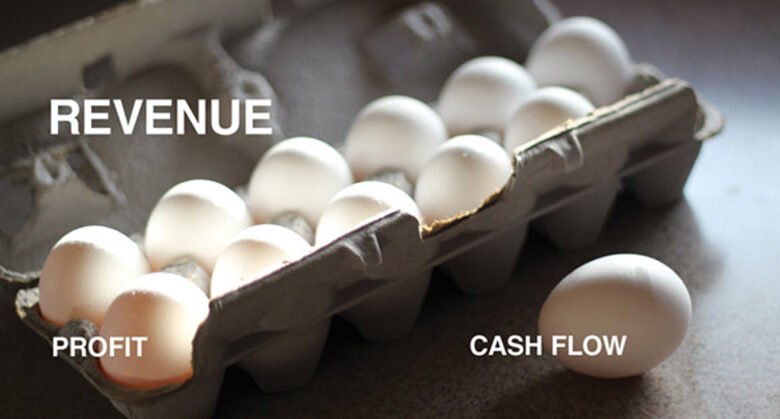
Understanding cash flow vs revenue vs profit is critical for business owners, investors, and finance enthusiasts alike. Many people confuse these terms, but each plays a unique role in evaluating a company’s financial health. Revenue shows the total income generated from sales, profit highlights the net earnings after expenses, and cash flow reveals the actual money available for operations. Misunderstanding these metrics can lead to poor decisions, financial stress, or even business failure.


Financial literacy is not just about knowing numbers—it’s about using them strategically. A business can report impressive revenue and profit figures yet face cash shortages if cash flow is poorly managed. Knowing the distinctions between cash flow vs revenue vs profit empowers owners to make informed decisions, plan for sustainable growth, and avoid common financial pitfalls that can compromise long-term success.
What is Revenue
Revenue represents the total income a business earns from selling goods or providing services. Often called the “top line,” revenue is a critical metric for understanding how much money a company is generating before any costs or expenses are deducted. Revenue reflects sales performance and market demand, giving insight into the effectiveness of a business’s core operations and pricing strategies.
High revenue does not necessarily indicate profitability. A company could generate millions in sales yet spend even more on operational costs, resulting in little or no profit. Monitoring revenue trends is essential for setting realistic growth targets, forecasting cash needs, and understanding how your products or services perform in the market. Revenue is the starting point for evaluating overall business health.
What is Profit
Profit measures the financial gain that remains after subtracting all expenses from revenue. It is often referred to as the “bottom line” and comes in several forms: gross profit, operating profit, and net profit. Gross profit evaluates the cost efficiency of producing goods or services, operating profit examines business operations’ overall performance, and net profit considers taxes, interest, and other expenses.
Profit is a key indicator of long-term business sustainability. Without sufficient profit, a company cannot reinvest in growth, attract investors, or withstand market fluctuations. By analyzing profit, business owners can identify inefficiencies, control costs, and make strategic decisions to strengthen the financial foundation. Understanding profit within the context of cash flow vs revenue vs profit provides a clear picture of overall business performance.
What is Cash Flow
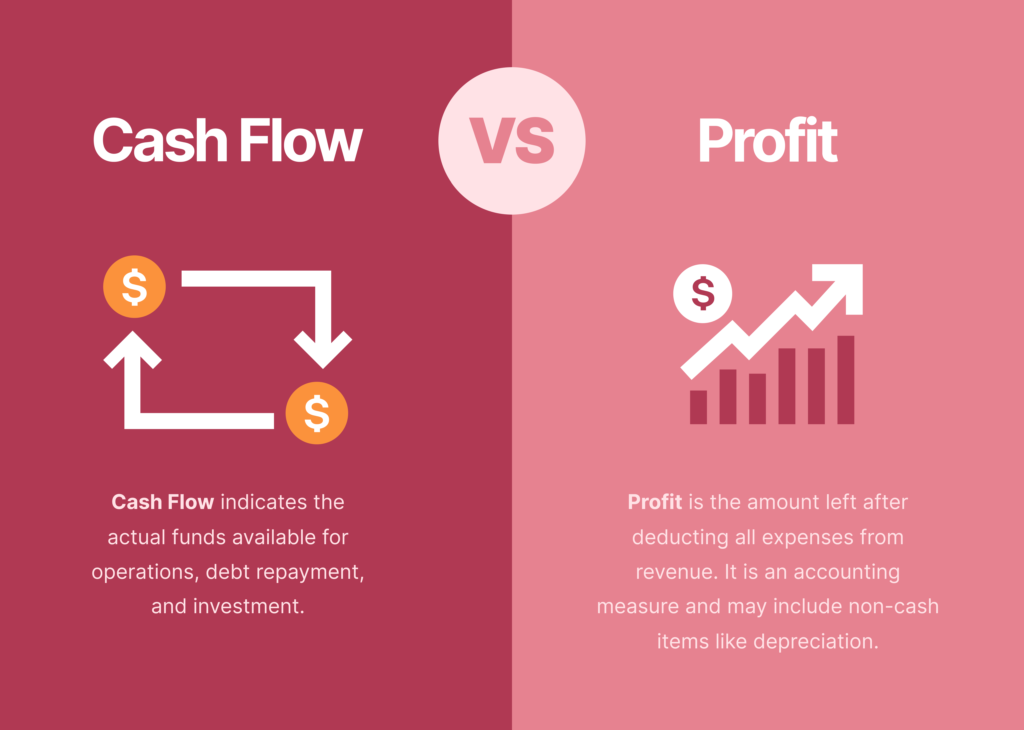
Cash flow measures the actual movement of money in and out of a business over a specific period. Unlike profit, which can include non-cash items like depreciation, cash flow focuses on liquidity and operational viability. It answers the question: “Does the business have enough cash to pay bills, employees, and suppliers on time?” Positive cash flow ensures daily operations continue smoothly, even during periods of high expenses.
Monitoring cash flow is essential for avoiding financial crises. A profitable business can run into trouble if cash is tied up in accounts receivable or long-term investments. Cash flow includes operating, investing, and financing activities, giving a comprehensive view of a company’s financial health. Evaluating cash flow alongside revenue and profit ensures that a business can remain solvent and meet both short-term and long-term obligations.
Cash Flow vs Revenue vs Profit: Key Differences
The differences between cash flow vs revenue vs profit are essential for understanding business performance. Revenue measures total income, profit indicates the net earnings after expenses, and cash flow shows the availability of liquid funds for operational needs. Each metric answers a different question: revenue asks, “How much did we sell?” profit asks, “Are we earning money?” and cash flow asks, “Can we cover our obligations?”
Understanding these differences prevents misleading assumptions about business health. For instance, a company may report a high profit while experiencing negative cash flow, indicating potential liquidity issues. Conversely, strong cash flow may occur in a low-profit period if customers pay upfront. Balancing all three metrics provides a holistic view that supports sustainable growth and informed financial planning.
Why Understanding the Differences Matters
Recognizing the distinctions between cash flow vs revenue vs profit is crucial for strategic decision-making. Cash flow ensures the business can meet immediate obligations, revenue measures growth and sales performance, and profit evaluates overall efficiency and sustainability. Ignoring any of these metrics can result in financial mismanagement, missed opportunities, or even insolvency for small and large businesses alike.
A comprehensive understanding allows business owners to anticipate challenges, invest wisely, and maintain financial stability. Investors also consider these metrics when evaluating a company’s performance and risk profile. By prioritizing all three aspects—revenue, profit, and cash flow—businesses can implement proactive strategies that strengthen resilience and support long-term success.
Tips for Managing Revenue, Profit, and Cash Flow
Managing cash flow vs revenue vs profit effectively requires careful planning and monitoring. Tracking revenue through detailed reporting and analytics helps identify trends and growth opportunities. Controlling expenses, streamlining operations, and optimizing pricing strategies improve profit margins and efficiency. Using accounting software or financial dashboards provides actionable insights that can guide better business decisions.
Cash flow management involves timing payments, monitoring receivables, and keeping emergency funds available. Even profitable businesses can face challenges if cash inflows and outflows are poorly balanced. Combining strategies to boost revenue, increase profit, and maintain positive cash flow ensures financial stability. A holistic approach enables businesses to thrive even during market fluctuations or unexpected financial stress.
Conclusion
Understanding cash flow vs revenue vs profit is critical for every business aiming for growth and sustainability. Revenue shows sales performance, profit highlights net earnings, and cash flow ensures liquidity and operational stability. Monitoring all three metrics provides a complete picture of financial health, helping business owners make informed decisions and avoid financial pitfalls.
Balancing cash flow, revenue, and profit supports strategic planning, attracts investors, and enables long-term success. Businesses that master these concepts gain confidence in their financial management, remain resilient during challenges, and achieve sustainable growth. Implementing these practices ensures that revenue generation, profitability, and liquidity work together harmoniously to drive business success.