Does Cancer Spread Faster After Biopsy? Debunking the Myths and Facts

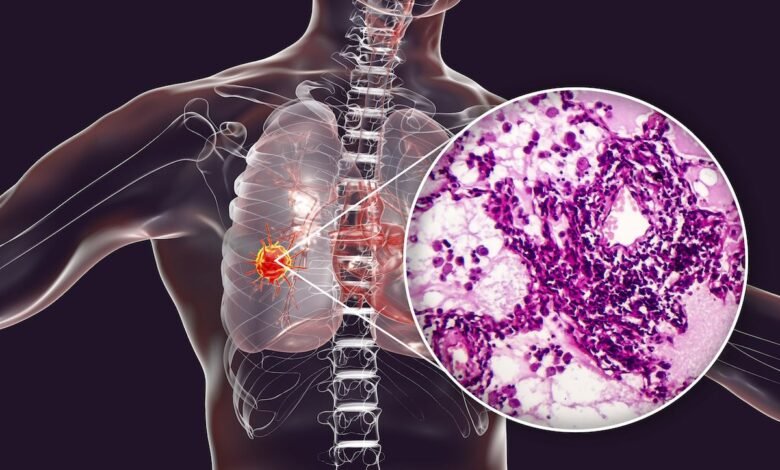
Many people facing a possible cancer diagnosis worry about whether cancer spreads faster after biopsy. These concerns often stem from misinformation online, anecdotal stories, and misunderstandings about medical procedures. Addressing these fears with accurate, evidence-based information is crucial for patients to make informed decisions and receive timely care. Understanding the facts about biopsies can help ease anxiety and guide the next steps in treatment.


The idea that cancer spreads during a biopsy is one of the most common myths in oncology. While a biopsy involves removing a small tissue sample, modern techniques are designed to minimize any risk of spreading cancer cells. Learning the difference between rare theoretical risks and proven medical facts allows patients to prioritize early diagnosis over unnecessary fear.
What Is a Biopsy and Why Is It Done
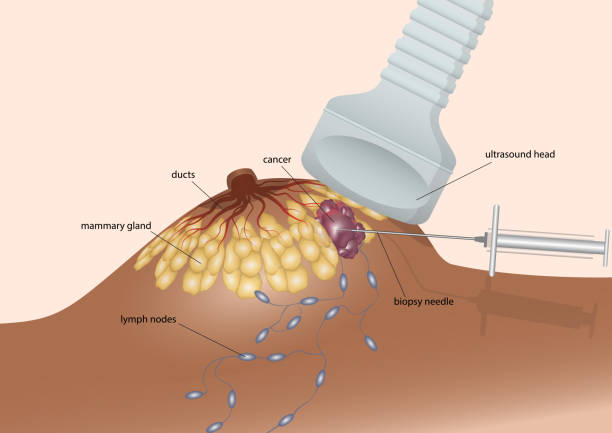
A biopsy is a medical procedure in which a small sample of tissue is removed from a suspicious area to determine whether it is cancerous. It provides vital information about the type of cancer, its aggressiveness, and its stage. This information is critical in planning effective treatment strategies and improving the chances of successful outcomes. Biopsies also help doctors decide whether surgery, chemotherapy, or other therapies are appropriate.
There are several types of biopsies, including needle biopsies, core biopsies, and surgical biopsies. Each method is carefully chosen depending on the tumor’s location, size, and patient health. Modern biopsy techniques are minimally invasive and designed to reduce discomfort while maintaining a very low risk of complications. These procedures are considered safe and essential for accurate cancer diagnosis.
The Myth of Cancer Spread After Biopsy
Many people wonder, “does cancer spread faster after biopsy reddit,” reflecting widespread concerns and online discussions. The myth that a biopsy can cause cancer to spread is largely unfounded. While there is a theoretical possibility of tumor cells spreading along the needle track, this occurrence is extremely rare and usually involves highly aggressive tumors. For the vast majority of patients, biopsies do not accelerate cancer growth.
Fear of spreading cancer can lead some patients to delay diagnosis, which poses a far greater risk than the biopsy itself. Cancer naturally spreads based on its biology and aggressiveness, not because of the biopsy procedure. Understanding this distinction is key for patients to make timely decisions without unnecessary worry.
What Research and Experts Say
Medical studies and expert opinions confirm that the risk of cancer spreading after a biopsy is minimal. Research shows that biopsies rarely affect tumor progression and that any observed spread is usually due to the tumor’s natural behavior rather than the procedure. Institutions such as the American Cancer Society and the National Cancer Institute emphasize that early diagnosis through biopsy saves lives and significantly improves treatment outcomes.
Experts also point out that delaying treatment after a biopsy can increase the risk of metastasis. Cancer growth continues according to the tumor’s biology, regardless of whether a biopsy is performed. Patients who understand these facts can make better-informed decisions and trust that undergoing a biopsy is far safer than postponing essential testing.
Safety Measures During Biopsy
Healthcare professionals take extensive precautions to prevent any risk of cancer cell spread during a biopsy. Techniques include using sterile tools, different instruments for each tissue sample, and minimally invasive approaches. Surgeons and radiologists follow strict protocols to ensure the safety and accuracy of the procedure, reducing any theoretical risk to virtually zero.
In certain high-risk situations, doctors may adjust the biopsy approach or opt for alternative methods, such as fine needle aspiration or direct tumor removal. Patients should feel comfortable discussing these options with their healthcare provider, ensuring they understand the steps taken to minimize risk and maximize diagnostic accuracy.
What to Expect Before, During, and After a Biopsy
Before a biopsy, patients typically undergo imaging studies and blood tests to determine the best approach. Medical staff explain the procedure, risks, and benefits in detail, allowing patients to provide informed consent. Understanding these steps can reduce anxiety and help patients feel prepared for what comes next.
During the biopsy, a small tissue sample is carefully removed using precise techniques. Most procedures are quick, minimally invasive, and well-tolerated. Afterward, patients may experience mild soreness or bruising, which usually resolves within a few days. Follow-up ensures any rare complications are addressed promptly and that the sample is sent for accurate analysis.
Debunking Reddit Myths and Online Misconceptions
Reddit and other online forums often amplify concerns about biopsies. Searching “does cancer spread faster after biopsy reddit” can lead to alarming stories that are anecdotal rather than scientific. While personal experiences may vary, they do not reflect the overall safety and efficacy of modern biopsy procedures.
Patients should rely on verified medical sources and expert guidance rather than anecdotal posts. Understanding the facts helps prevent unnecessary fear and treatment delays. Medical professionals emphasize that biopsies are critical for early detection, accurate diagnosis, and the best possible treatment outcomes.
Conclusion
Does cancer spread faster after biopsy? For the vast majority of patients, the answer is no. Biopsies are safe, essential, and highly effective for diagnosing cancer accurately. Modern medical techniques and strict safety protocols minimize risks, while the benefits of early detection far outweigh any theoretical concerns. Patients should trust their healthcare team and prioritize timely biopsies for optimal outcomes.