Jacob’s Ladder Electricity: The Complete Guide to High-Voltage Arcs and Experiments

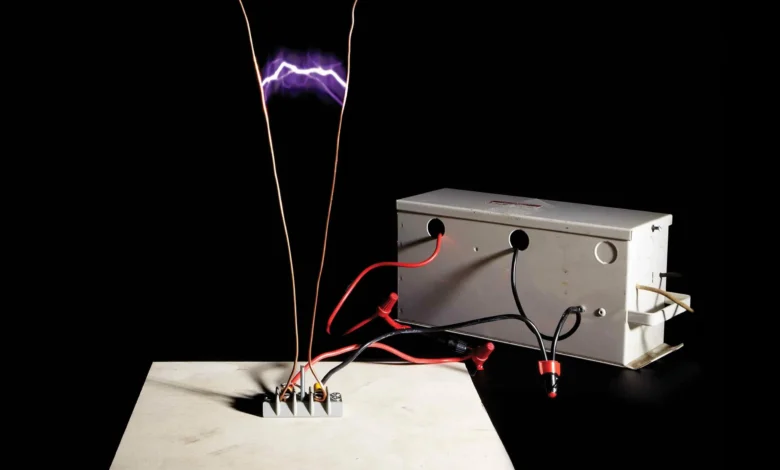
Jacob’s ladder electricity is one of the most captivating demonstrations in physics, combining the beauty of visual spectacle with the principles of high-voltage electricity. This device produces an electric arc that climbs between two diverging wires, creating a mesmerizing “ladder” of light. The phenomenon is powered by a high-voltage source, which ionizes the air at the base, forming a plasma arc that rises in a continuous cycle.


For students, hobbyists, and science enthusiasts, jacob’s ladder electricity offers an engaging way to explore electricity, plasma, and energy flow. Beyond the educational aspect, it has captured the imagination of pop culture, appearing in films, museums, and steampunk art installations. Understanding how jacob’s ladder electricity works helps unlock the science behind rising arcs and inspires safe experimentation with electricity.
What is Jacob’s Ladder Electricity?
Jacob’s ladder electricity is a high-voltage experiment where an electric arc climbs two diverging electrodes. When voltage is applied, the air at the bottom gap becomes conductive, allowing a plasma arc to form. The arc rises due to convection and the expansion of hot air, stretching until the voltage can no longer sustain it, and then the process repeats. This gives the appearance of a ladder of electricity constantly climbing upward.
In simple terms, jacob’s ladder electricity demonstrates the behavior of high-voltage electricity in a visible and dramatic way. It is widely used in classrooms, science demonstrations, and hobby labs to illustrate concepts like dielectric breakdown, electron flow, and plasma physics. By observing this phenomenon, learners can connect theoretical principles with real-world electrical behavior, enhancing their understanding of electricity.
History and Inventors of Jacob’s Ladder Electricity
Jacob’s ladder electricity dates back to the early days of electrical experimentation in the 19th century. Inventors and researchers sought ways to visualize electricity and explore its properties. Early versions of the device were used in laboratories to demonstrate high-voltage arcs, often wowing audiences with the visible power of electricity. Over time, it became a staple in science education.
While the exact inventor is debated, jacob’s ladder electricity is closely associated with early pioneers experimenting with arc lamps and high-voltage equipment. The device has appeared in science museums, educational institutions, and even entertainment media. Its combination of historical significance and practical demonstration continues to make jacob’s ladder electricity a fascinating tool for learning and inspiring curiosity.
How to Make or Build Jacob’s Ladder Electricity
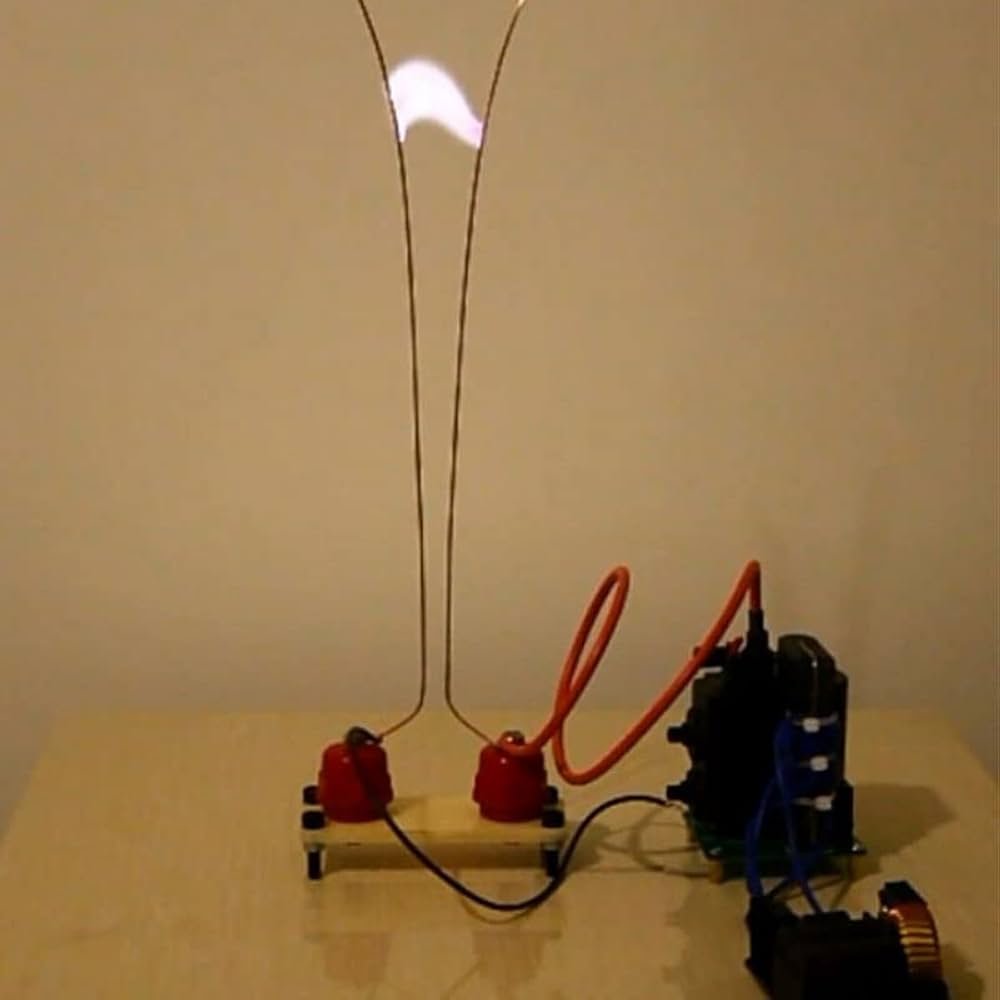
Creating jacob’s ladder electricity requires careful planning, knowledge of high-voltage safety, and appropriate materials. The basic setup involves two diverging electrodes connected to a high-voltage source, such as a transformer. When activated, the air at the base ionizes, creating an electric arc that rises. While DIY enthusiasts may attempt home builds, extreme caution is essential to prevent accidents or injuries.
Educational kits are available that allow learners to safely experiment with jacob’s ladder electricity. These kits include insulated electrodes and low-risk high-voltage setups to demonstrate the rising arc without the hazards of full-scale high-voltage devices. By using these kits, students can explore the principles of electricity, plasma, and arc behavior safely, while experiencing the visual spectacle that makes jacob’s ladder electricity so captivating.
Physics and Science Behind Jacob’s Ladder Electricity
Jacob’s ladder electricity works due to the ionization of air and plasma formation between electrodes. When high voltage is applied, electrons flow across the gap, forming a conductive plasma arc. The arc heats the surrounding air, which rises due to convection, carrying the arc upward. This cycle repeats as the arc stretches and extinguishes at the top, demonstrating dynamic high-voltage behavior in a small, observable system.
The device illustrates key principles of physics, including dielectric breakdown, electron mobility, and energy transfer. Students can observe how voltage, current, and electrode spacing affect the arc’s behavior. Videos, gifs, and demonstrations of jacob’s ladder electricity provide a hands-on way to understand these concepts, making the science of high-voltage arcs more accessible and engaging for learners of all ages.
Variations, Kits, and Modern Applications
Modern variations of jacob’s ladder electricity are used for education, hobby experiments, and artistic displays. Small tabletop kits allow safe demonstrations in classrooms, while larger setups are used in science museums to showcase high-voltage physics. Some enthusiasts even explore steampunk-inspired designs or create artistic displays combining light and electricity for dramatic visual effects.
Jacob’s ladder electricity continues to inspire curiosity and creativity. Hobbyists use kits and videos to study arc dynamics, while educators integrate the device into lessons about energy, electricity, and plasma physics. Its combination of educational value and visual appeal ensures that jacob’s ladder electricity remains relevant in classrooms, labs, and popular culture alike.
Safety, Risks, and Precautions
Jacob’s ladder electricity is extremely dangerous if handled improperly, as it involves high-voltage arcs capable of causing serious injury or death. Direct contact with live electrodes or high-voltage components can be fatal. Therefore, it is essential to observe safety protocols, use insulated tools, and maintain a safe distance during demonstrations.
Even small demonstration kits require supervision and careful adherence to safety guidelines. Teachers, students, and hobbyists should prioritize safety to prevent accidents. Understanding the potential hazards reinforces responsible experimentation while allowing observers to appreciate the fascinating effects of jacob’s ladder electricity safely and effectively.
Conclusion
Jacob’s ladder electricity is a unique and visually stunning demonstration of high-voltage physics. From its historical origins to modern educational and artistic applications, it combines science, spectacle, and creativity. By exploring the principles behind the climbing arc, learners and enthusiasts can gain insight into electricity, plasma, and energy transfer while appreciating the captivating allure of jacob’s ladder electricity.