
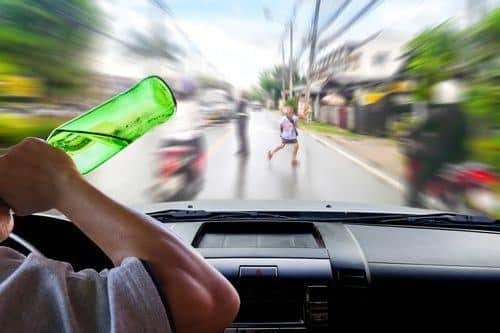
Wet reckless driving is a legal term describing a plea bargain in which a DUI charge is reduced to reckless driving involving alcohol or drugs. This charge provides defendants with a chance to face less severe penalties, including smaller fines, shorter probation, or limited license suspension. Despite appearing less serious than a DUI, wet reckless driving remains a criminal conviction and can affect insurance premiums and future driving charges. Understanding the nuances of this offence is essential for anyone navigating legal consequences after an alcohol-related incident.


The term “wet” in wet reckless driving indicates the involvement of alcohol or drugs during the incident. This distinguishes it from a dry reckless driving charge, where substances are not a factor. Many people confuse the two, thinking a wet reckless is a minor infraction. However, legal experts emphasise that wet reckless driving carries serious implications, especially if it becomes part of a repeat offence record. Knowledge of its penalties and long-term effects can significantly influence a defendant’s legal strategy.
What Is Wet Reckless Driving
Wet reckless driving occurs when a DUI charge is negotiated down through a plea agreement to reckless driving while under the influence of alcohol or drugs. This reduction often happens when evidence of intoxication is borderline, or the BAC is near the legal limit. It is not a direct charge that law enforcement arrests someone for but rather a resolution in court, offering a less punitive alternative to a DUI.
This type of plea is common in states like California and Washington, where prosecutors may consider factors such as driving behaviour, prior convictions, and the severity of the incident. Wet reckless driving still counts as a criminal offence, and while penalties are lighter than a DUI, it can influence future legal matters. Individuals should seek legal guidance to fully understand how this charge may impact their driving record and insurance rates.
Wet Reckless Driving California
In California, wet reckless driving is governed by Vehicle Codes 23103 and 23103.5. Prosecutors may offer a wet reckless plea if a defendant’s BAC is close to 0.08% or if the evidence for a DUI is weak. This option allows drivers to avoid a trial while receiving a conviction that carries less severe penalties than a standard DUI, including reduced fines and shorter probation periods.
Penalties in California may also include mandatory alcohol education programs, community service, and a brief suspension of driving privileges. Although these consequences are less harsh than a DUI, wet reckless driving still remains on the driving record. Future DUI or alcohol-related charges consider it a prior offence, increasing potential penalties. Legal advice from a California attorney is essential for understanding the full implications of a wet reckless driving charge.
Wet Reckless Driving Washington State
Washington State handles wet reckless driving similarly to California, but state-specific rules and penalties apply. A prosecutor may offer this plea when evidence is inconclusive, BAC levels are borderline, or there are no severe injuries involved in an accident. The plea reduces a DUI to reckless driving with alcohol involved, mitigating potential jail time and fines while keeping a criminal record on file.
Penalties in Washington can include probation, court fines, alcohol education classes, and temporary licence suspension. Insurance companies may treat wet reckless driving similarly to a DUI, often resulting in higher premiums. Legal counsel is recommended to ensure that the charges are appropriately negotiated and that defendants understand both the immediate and long-term consequences of wet reckless driving in the state.
Is Wet Reckless Driving a Misdemeanor

Wet reckless driving is generally classified as a misdemeanor in most US states, including California and Washington. Although less severe than a DUI, the misdemeanor status means that wet reckless driving still carries criminal consequences. These may include probation, small fines, and, in rare cases, short-term incarceration, depending on the circumstances and prior offences.
The misdemeanor classification also affects future legal matters. Any subsequent DUI or reckless driving charges may be treated more severely because wet reckless driving counts as a prior offence. Insurance providers also often factor this charge into premiums. Understanding that wet reckless driving is not minor is crucial for anyone facing a plea bargain or trying to mitigate long-term consequences.
Consequences and Considerations
Beyond legal penalties, wet reckless driving can have wide-ranging consequences for defendants. A conviction will appear on driving records, potentially leading to increased insurance premiums. Employers may also consider the criminal record, which can influence job applications, especially in positions requiring a clean record. Understanding the broader impact of wet reckless driving is critical when evaluating legal options.
Defendants should also consider consulting an experienced attorney before accepting a plea deal. Legal professionals can help negotiate lower penalties, explain potential consequences, and provide guidance on protecting long-term driving privileges. Making informed decisions and understanding state-specific laws are vital steps to minimise the effects of a wet reckless driving charge and avoid future legal complications.
Conclusion
Wet reckless driving offers a legal alternative to a DUI, reducing penalties while maintaining serious consequences. It is not a minor offence and carries implications for driving records, insurance, and future legal matters. Knowledge of state-specific laws, particularly in California and Washington, is essential for anyone navigating these charges.
Seeking professional legal guidance is strongly recommended for anyone facing wet reckless driving charges. From understanding the potential fines, probation requirements, and alcohol education classes to mitigating long-term record implications, defendants must act carefully. Wet reckless driving requires awareness, strategy, and timely legal support to protect both current and future rights.
