What Is Considered a Small Area for Laser Hair Removal: Common Zones, Costs, and Tips for Best Results

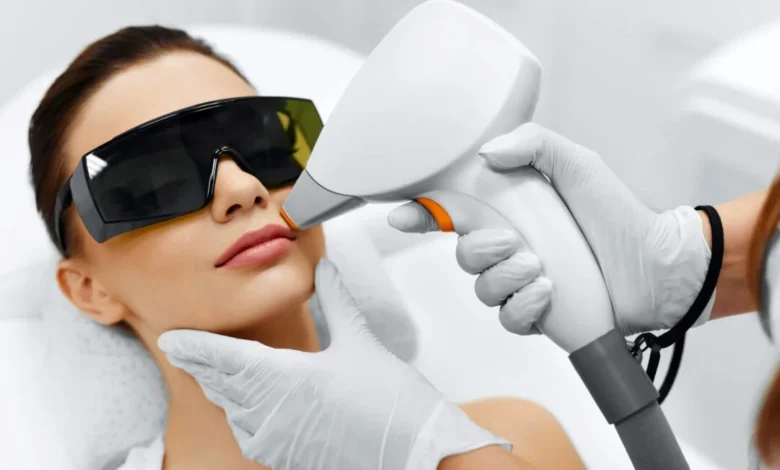
Laser hair removal has become one of the most popular cosmetic procedures in the United States, offering a long-lasting solution to unwanted hair. Many people are curious about what is considered a small area for laser hair removal, as this classification directly affects session length, cost, and the type of treatment plan recommended by clinics. Understanding this concept ensures patients can plan effectively for smooth and precise results.

Small area laser hair removal is ideal for individuals seeking targeted hair removal without committing to long sessions on larger parts of the body. By knowing what is considered a small area for laser hair removal, patients can anticipate quick, efficient treatments that often require fewer sessions and minimal discomfort. This article explores the common zones classified as small, typical costs, and helpful tips for first-time patients.
Defining What Is Considered a Small Area for Laser Hair Removal
Understanding what is considered a small area for laser hair removal starts with size and coverage. Small areas are generally zones measuring around 2 to 3 square inches, significantly smaller than medium or large treatment areas like full legs, back, or arms. The size of these areas affects how long a session will last and the number of laser pulses required for effective hair removal.
Small areas are treated differently because they require precise, targeted techniques to remove hair efficiently. Clinics typically classify facial regions such as the upper lip, chin, or sideburns as small areas. Knowing what is considered a small area for laser hair removal helps patients plan multiple sessions accurately and manage expectations about cost, session time, and results.
Common Small Areas for Laser Hair Removal
Facial areas make up some of the most frequently treated small zones. These include the upper lip, chin, sideburns, unibrow, and jawline. These areas are popular because they are highly visible and often require precision. Understanding what is considered a small area for laser hair removal allows patients to target these spots effectively without committing to longer sessions on larger areas.
In addition to the face, small body areas include the underarms, bikini line, and areola. Extremities such as fingers and toes, along with small targeted spots like the happy trail or lower stomach line, also fall into this category. Knowing what is considered a small area for laser hair removal helps patients select the right treatment package and anticipate costs for these precise, small zones.
Treatment Details for Small Areas
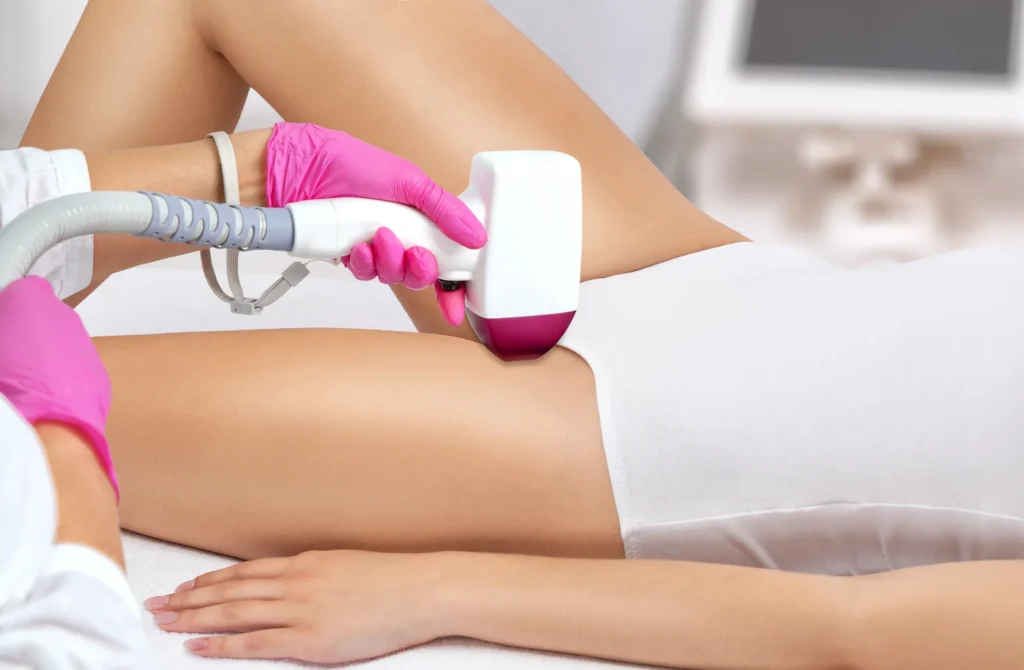
Treatments for small areas are often quick, usually lasting only a few minutes per session. Patients typically require fewer sessions compared to larger zones, but the number of sessions depends on hair density, skin type, and hair color. Understanding what is considered a small area for laser hair removal allows patients to plan for multiple short sessions rather than a single long session, making the process more manageable.
Small areas are often less painful than larger areas, but sensitivity can vary depending on the zone. For instance, the upper lip or bikini line may feel more discomfort due to delicate skin. Clinics provide detailed aftercare instructions to ensure optimal results. Knowing what is considered a small area for laser hair removal helps patients follow proper care, reducing irritation and improving long-term hair reduction.
Cost Considerations for Small Areas
The cost of laser hair removal varies by area size, location, and clinic reputation. Small areas are generally more affordable than medium or large zones, making them accessible for first-time patients. By understanding what is considered a small area for laser hair removal, patients can estimate treatment costs accurately and choose packages that suit their budget.
Factors affecting the cost include hair thickness, treatment location, and type of laser used. Many clinics offer package deals for small areas, providing multiple sessions at a discounted rate. Understanding what is considered a small area for laser hair removal ensures patients can make informed financial decisions and plan for additional treatments if necessary.
Benefits of Treating Small Areas
Treating small areas offers several advantages, including short session times and targeted results. Patients can remove hair in precise locations without committing to lengthy treatments on larger zones. Understanding what is considered a small area for laser hair removal allows individuals to enjoy the efficiency and convenience of these treatments, often with minimal disruption to their daily routine.
Small area treatments also minimize the risk of side effects and irritation due to limited coverage. They are perfect for first-time laser hair removal patients who want to test the procedure on a manageable section of skin. Knowing what is considered a small area for laser hair removal ensures patients can enjoy safe, effective treatments with predictable outcomes.
Tips for First-Time Patients
Preparation is key for successful laser hair removal on small areas. Patients should shave the area, avoid sun exposure, and follow clinic guidelines. Knowing what is considered a small area for laser hair removal helps ensure proper preparation, making the procedure more effective and reducing the risk of side effects.
Choosing a qualified clinic with experienced technicians is crucial. By understanding what is considered a small area for laser hair removal, patients can ask the right questions about session length, laser type, and aftercare. This knowledge helps ensure a safe, efficient, and satisfying treatment experience for targeted hair removal.
Conclusion
Understanding what is considered a small area for laser hair removal is essential for anyone seeking precise hair removal. Small areas include facial zones like the upper lip and chin, body spots like the underarms and bikini line, and extremities like fingers and toes. Recognizing these areas helps patients plan sessions, manage costs, and achieve optimal results.
Small area treatments are quick, targeted, and affordable, making them ideal for first-time patients or those seeking precise results. Proper preparation and aftercare are key to maintaining smooth, hair-free skin. By knowing what is considered a small area for laser hair removal, patients can enjoy an efficient, effective, and satisfying hair removal experience.